

Deepesh Patel
Editor in Chief, Trade Treasury Payments
NewsPublished 10 Nov 2026
Update
Who gets financed when the money itself goes digital?
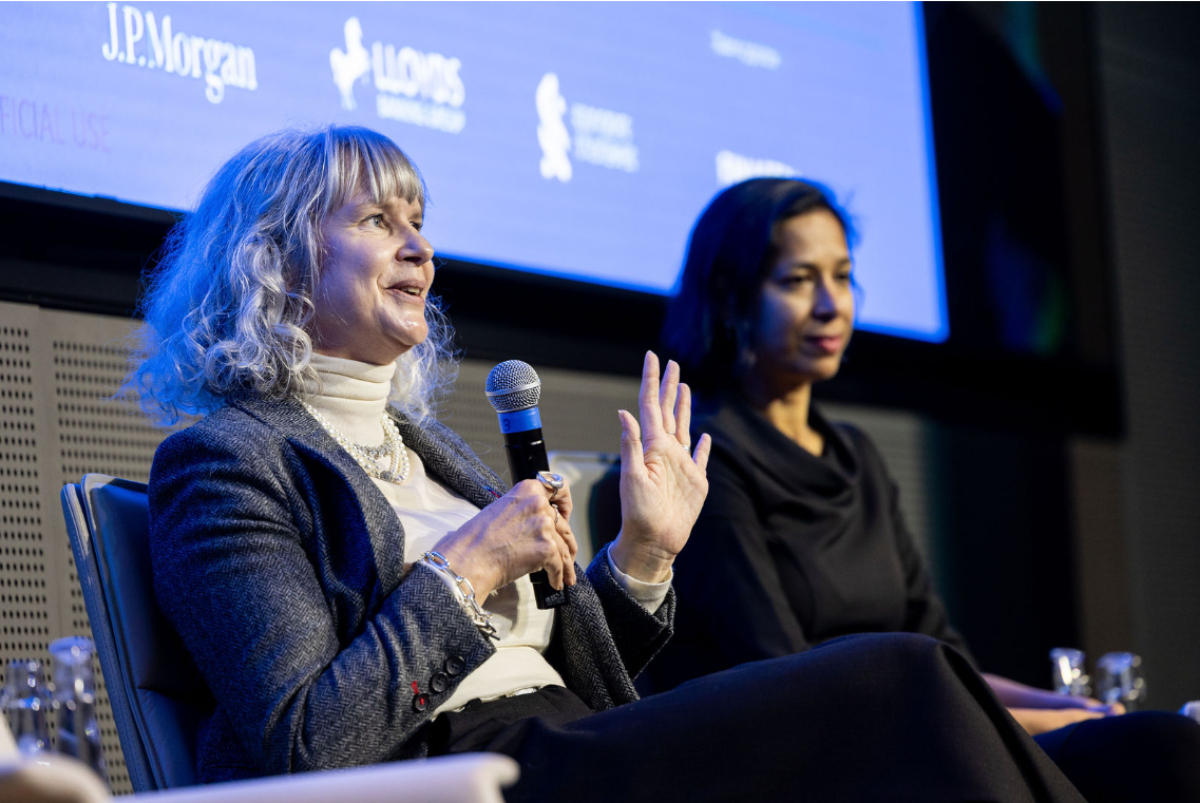
Prof Sarah Green, Professor of Law at the University of Bristol and a member of the TTP Global Advisory Panel, sat down with Vashti Maharaj, Adviser on Digital Trade Policy at The Commonwealth Secretariat, on day three of the ICC Banking Commission Autumn Meeting at the EBRD.
Their focus was alternative finance, from stablecoins to tokenised assets, and what it could mean for businesses that banks have never served. In many markets there is no stable currency to trade in and no bank willing to lend. New forms of money could give those firms a way in.
The law and regulation still have to catch up, and that was a recurring point. But the direction is clear: finance is opening up, and trade inclusion could be the biggest beneficiary.
Update
Can digital trade scale if every platform speaks a different language?
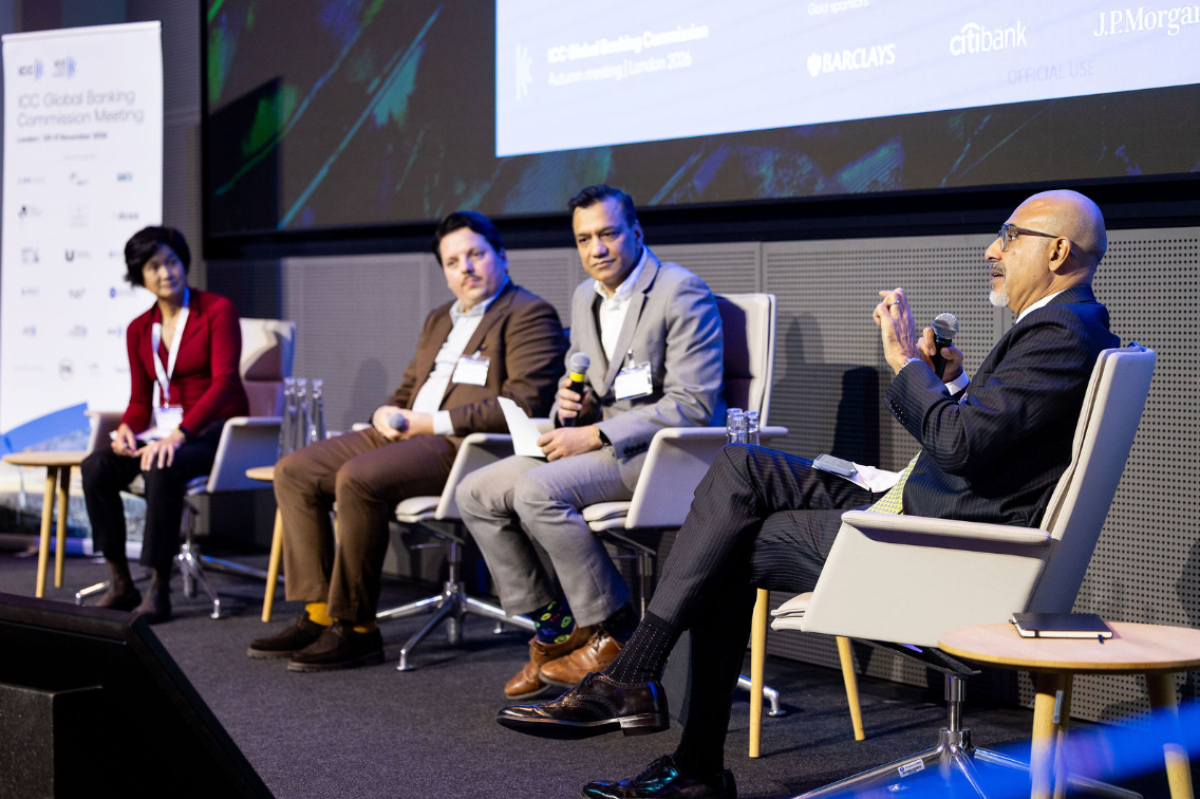
Pamela Mar of ICC Digital Standards Initiative, a member of the TTP Editorial Board, moderated Moving Beyond Fragmentation: Making Digital Trade Interoperable at Scale on day three of the ICC Banking Commission Autumn Meeting at the @EBRD. On the panel were Oswald Kuyler of Asian Development Bank, Prakhar Jain of Oracle, David Campos of GLEIF and Bhriguraj Singh of HSBC. The session followed DSI’s overhaul in October, which brings an industry advisory board, a standards advisory board and a new technology advisory board into one work programme. Many of the top ERP providers have now joined.
Banks have digitised their own processes, but trade remains digital in islands. The answer is common foundations for standards, trust and identity that everyone can build on, with firms innovating on the services they offer on top. In practice, that means embedding common data standards in the ERP and accounting systems where trade records are created, not launching another platform. Electronic bill of lading adoption has risen from about 5 per cent in 2022 to 11.2 per cent in the latest survey, but laws, standards, identity and tech adoption all need to move together.
Identity was the missing piece. The Legal Entity Identifier (LEI) works in capital markets but hasn’t reached SMEs, so GLEIF is working with company registries in places like the Philippines and South Africa to issue identifiers at the point of registration. The ADB wants to give governments one clear recommendation for modernising business registries, and customs and single windows are the next frontier. Our exclusive on the DSI overhaul is linked in the comments.
Update
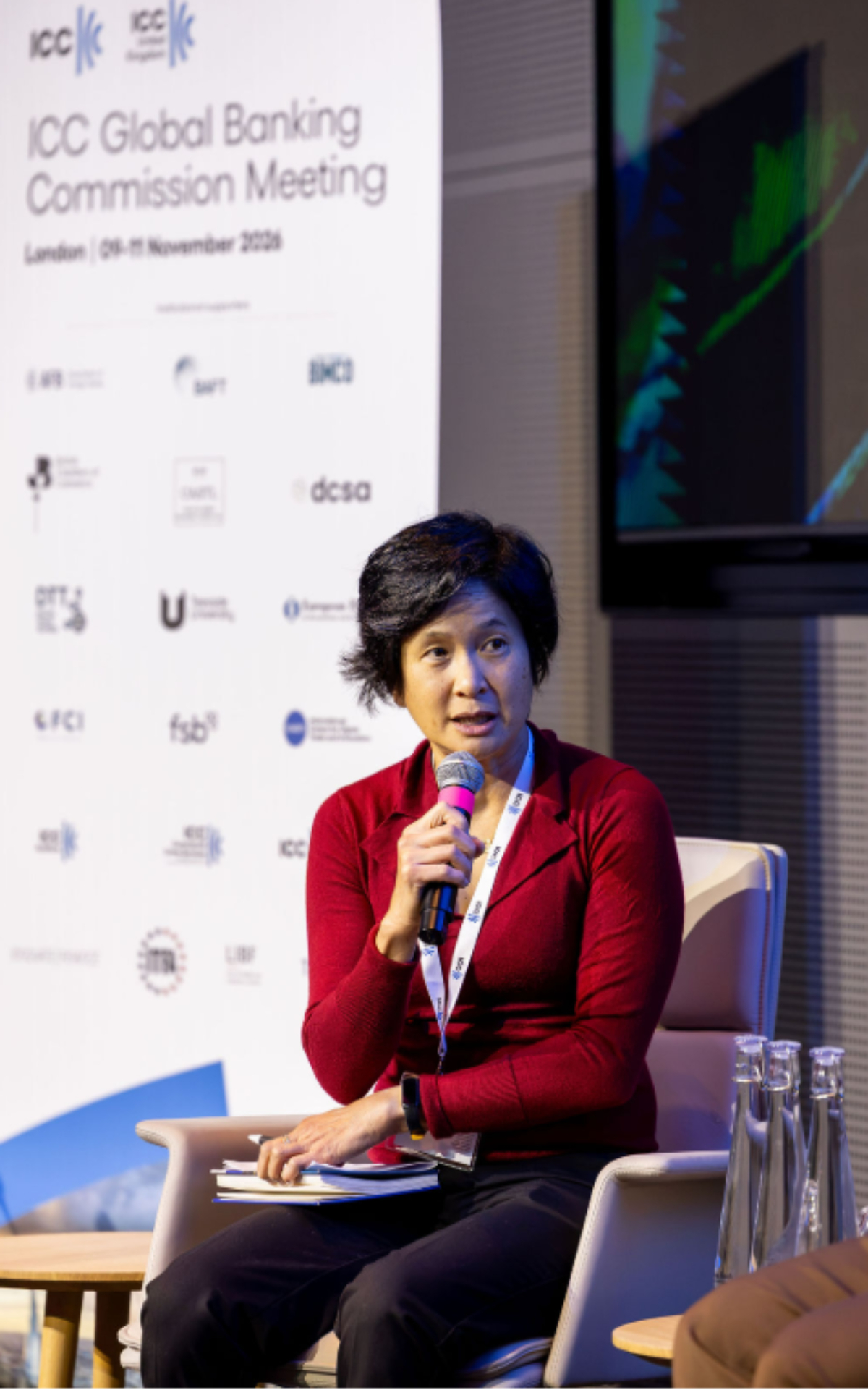
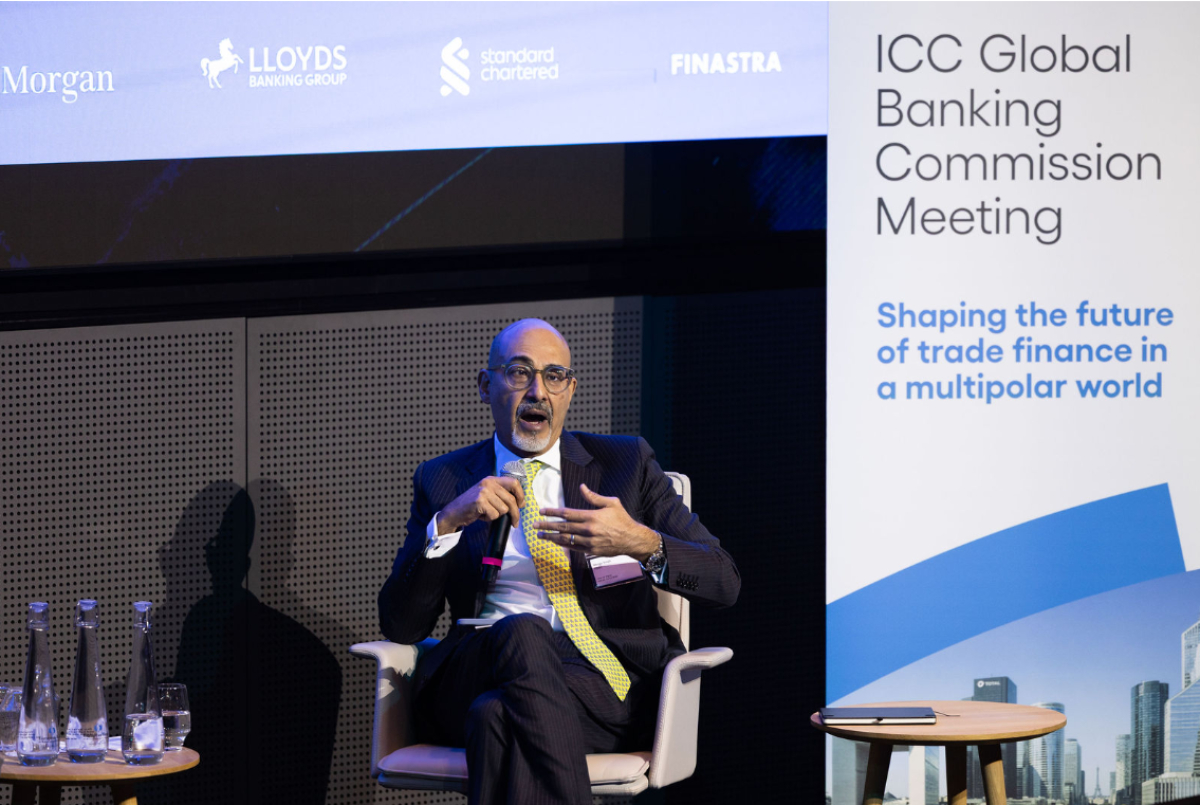
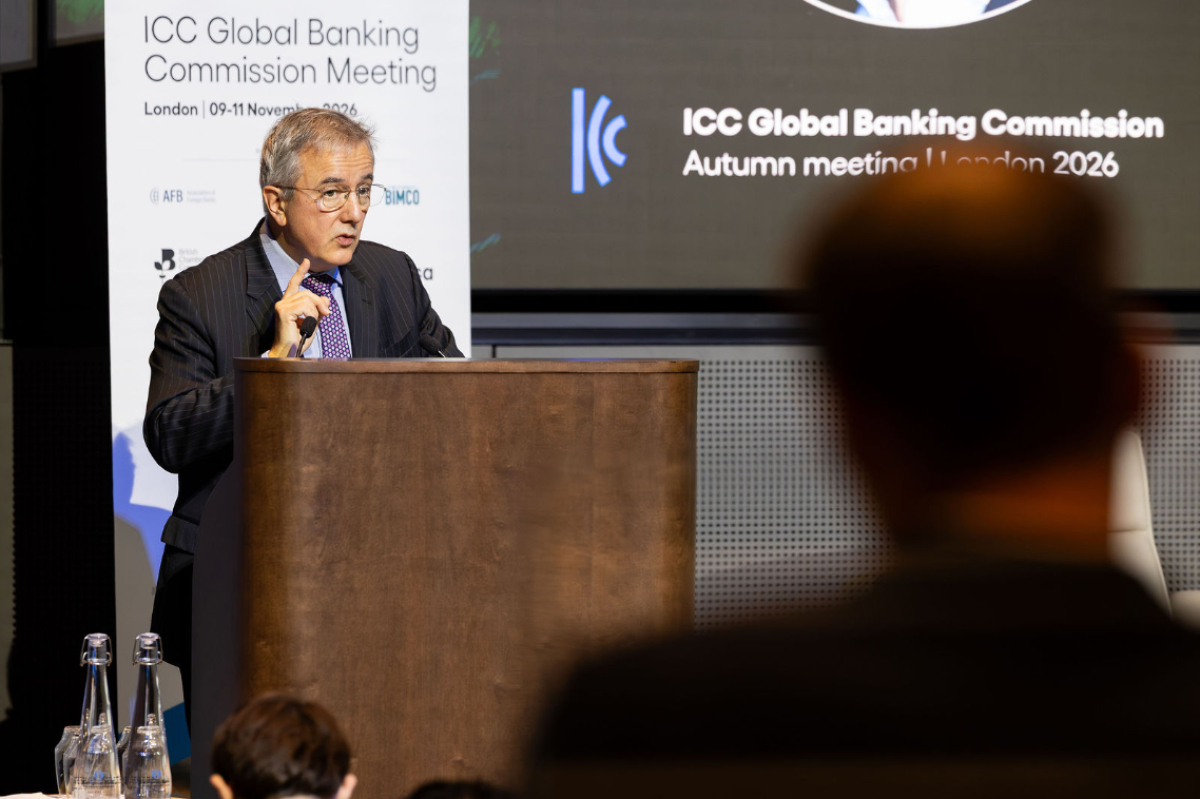
Francis Malige, Managing Director and Head of the Financial Institutions Business Group at the EBRD, gave the keynote on day three of the ICC Banking Commission Autumn Meeting, discussing why digital trade matters for emerging markets, and what role MDBs should play. Malige said trade is caught between three linked trends, geopolitics and war, the AI revolution and the climate crisis. Trade has kept going regardless, and trade finance deserves credit for that, but resilience alone is not enough.
Across the EBRD’s regions, many businesses are already competitive. What holds them back is paper-based processes, lengthy bank onboarding, repeated document requests and limited access to trade finance. Large multinationals can manage that complexity, but smaller firms can’t. The real test is whether digital trade makes life easier for the small exporter or supplier.
Malige also said that AI should remain a help to decision-makers rather than the driver, and that access to finance is increasingly a driver of competitiveness, not just a development goal.
Update
What should ICC be doing for trade finance in 2027?
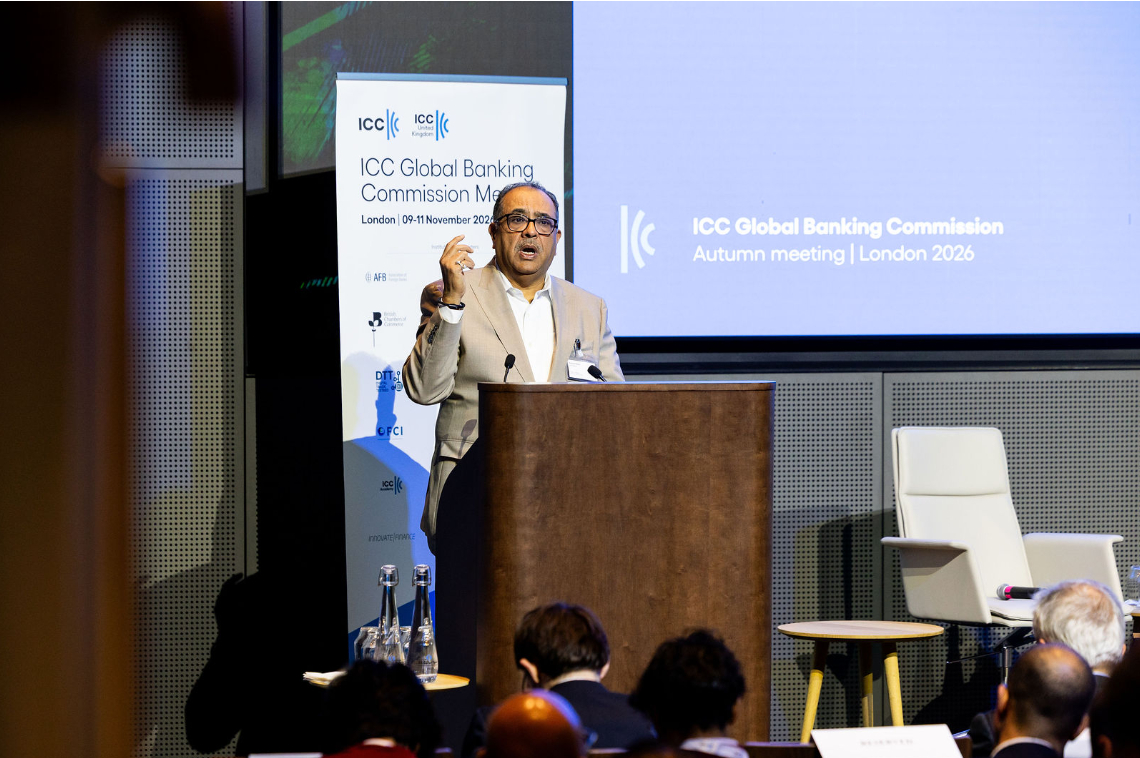
Parvaiz Dalal of Citi, Chair of the ICC United Kingdom Trade Finance Committee, opened day three of the ICC Banking Commission Autumn Meeting at the EBRD in Canary Wharf this morning with Shona Tatchell. He set out a practitioner’s wish list, focusing on addressing the trade finance gap, which has continued to grow.
Dalal made four asks of ICC.
The first was to digitise KYC and build trusted counterparty identities across the priority trade markets, using India’s linked KYC, invoice and payment infrastructure as a case study.
The second was to keep pushing standardisation and interoperability.
The third was to publish a simple figure for how much trade finance reaches SMEs each year, and to train SMEs and smaller markets, not just banks.
The fourth was to back central bank-sponsored invoice registries to stop duplicate financing, as India and Turkey have done.
He closed by urging regulators to make better use of the industry’s data to drive all of this forward.
Thanks to ICC United Kingdom, the International Chamber of Commerce and the EBRD for hosting.
Update
We’re back for day three of the ICC Banking Commission Autumn Meeting, this time at the EBRD HQ in Canary Wharf.
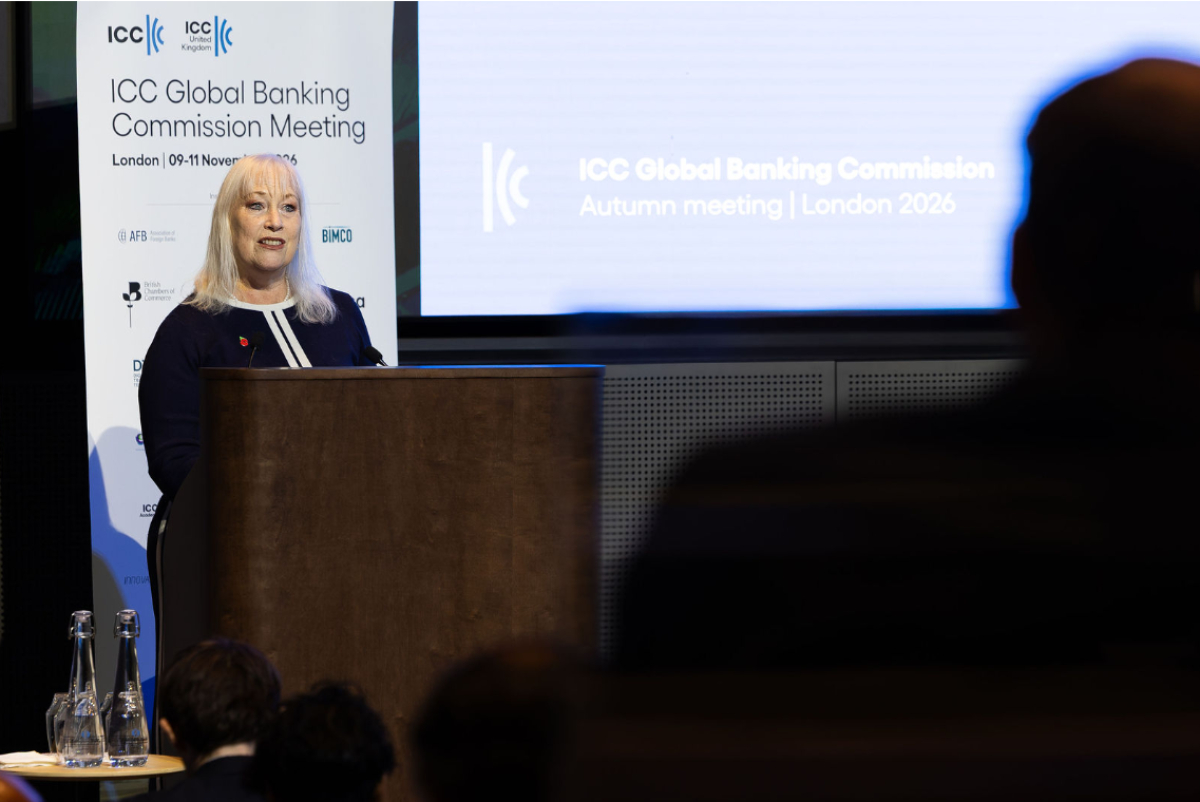
Shona Tatchell of the EBRD, Francis Malige of the EBRD and Tomasch Kubiak of the International Chamber of Commerce opened the day. The focus has shifted from technical sessions and strategy to delivery, exploring how to scale digital trade finance across emerging and frontier markets, and amongst SMEs.
There’s more from the TTP team on the way throughout the day.
Update
That’s a wrap on day two of the ICC Banking Commission Autumn Meeting at Mansion House.The plenary covered a lot of ground. It went from closing the trade finance gap and the regulatory treatment of trade finance, to financing trade resilience in the face of geopolitics and supply chain risk, to progress on data standards and digital adoption. Artificial intelligence came up from almost every angle, and the room was realistic about what it will change and what it won’t.Next up is day three at the EBRD in Canary Wharf, where the focus moves to scaling digital trade finance in emerging markets.
Thanks to ICC United Kingdom and the International Chamber of Commerce for a packed day.

Update
Is digital trade being held back by technology, or by adoption?
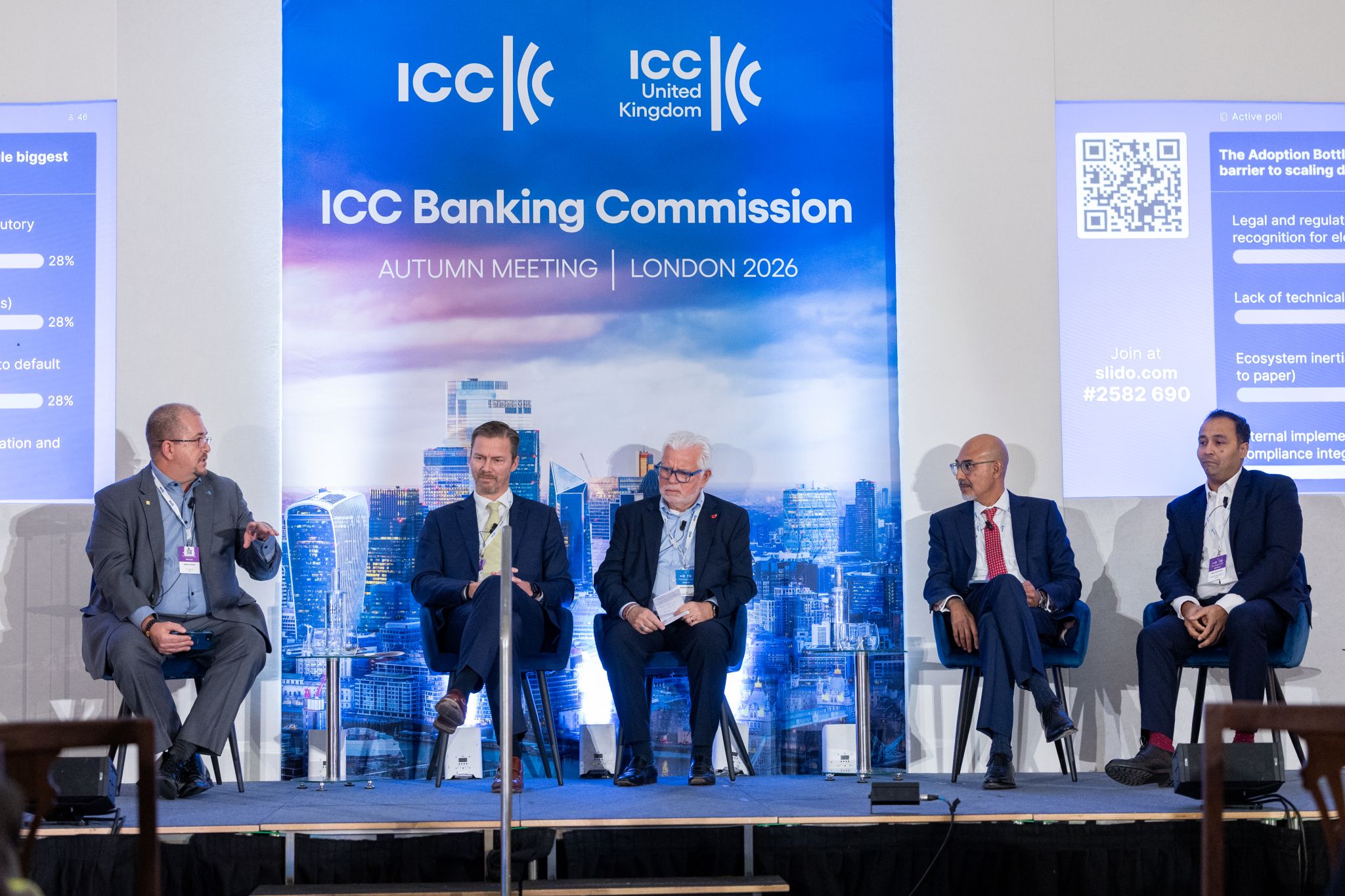
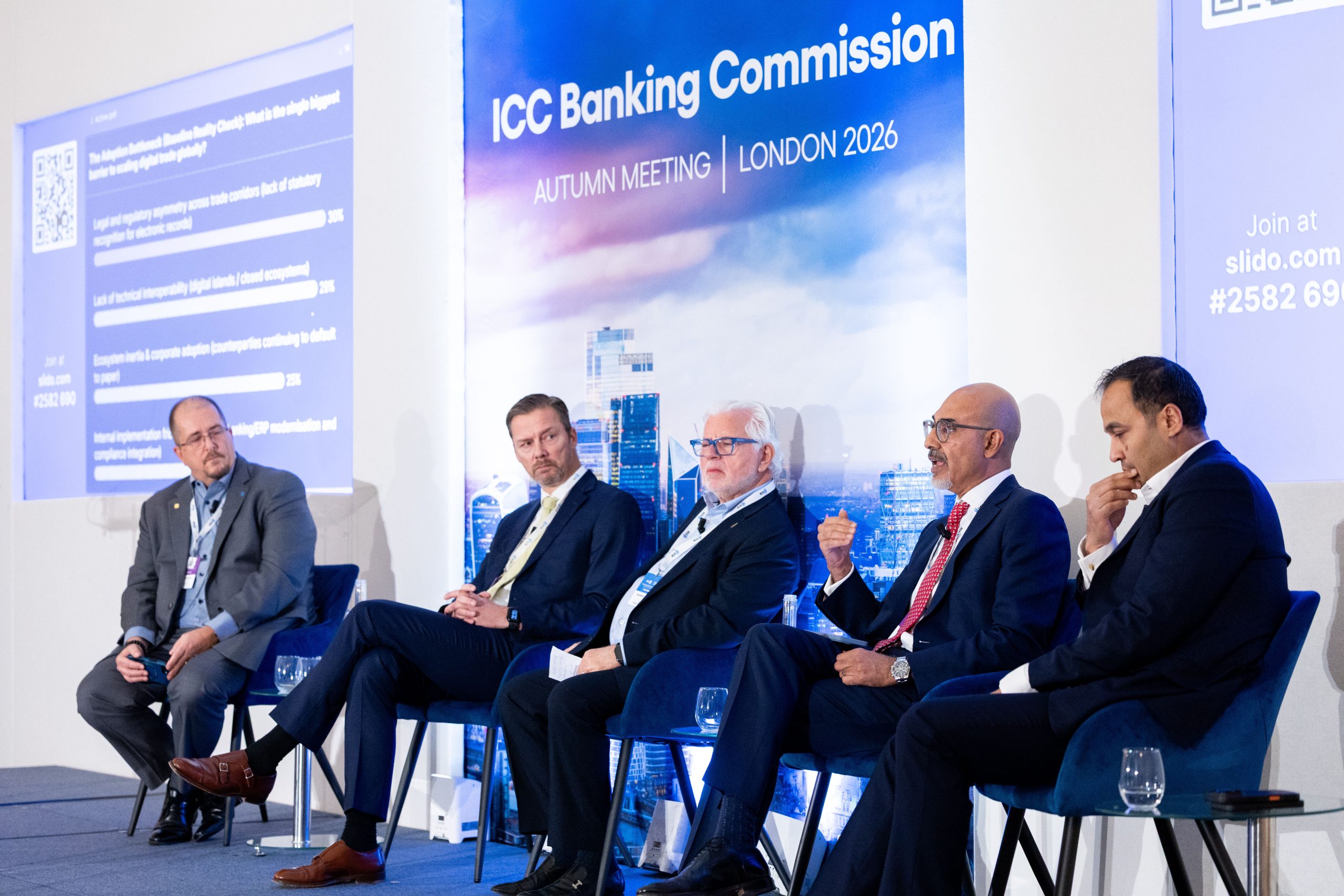
Merlin Dowse of CGI moderated ‘A New Operating System for Global Trade’ at the ICC Banking Commission at Mansion House this afternoon, with Geoffrey Wynne of Sullivan & Worcester, Thomas Bagge of Digital Container Shipping Association (DCSA), Bhriguraj Singh of HSBC and Vinay Mendonca of Finastra.
The discussion moved from what the technology can do to why so much trade still runs on paper. Many use cases are now proven, and the challenge now is getting counterparties, corporates and their ERP systems to send an electronic record as easily as they print one.The audience surveys also suggested that there is no single fix. Asked for the biggest barrier to scaling digital trade, the room split almost three ways. Legal and regulatory asymmetry across corridors, lack of technical interoperability and corporate inertia each took 28 per cent, with internal implementation friction at 15 per cent.
Laws such as the UK’s Electronic Trade Documents Act help, but only where counterparties are covered by the same rules.Asked where trade finance will see the most tangible impact over the next three to five years, 44 per cent picked automated data extraction and workflows powered by agentic AI, ahead of global adoption of electronic title documents (26 per cent), open API rails between ERPs, shipping lines and banks (21 per cent) and tokenised settlement (9 per cent).
Thanks to ICC United Kingdom and the International Chamber of Commerce for hosting.
Update
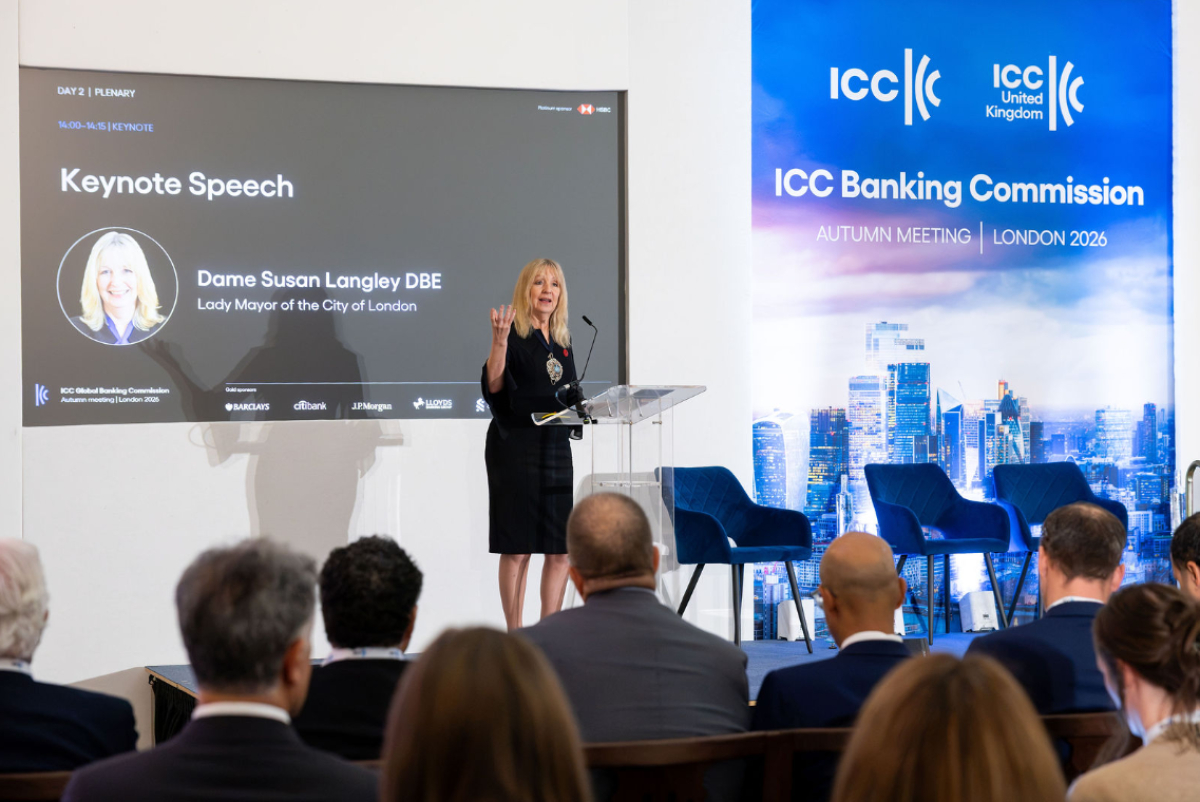
Dame Susan Langley says UK will use G20 presidency to shape digital trade standards
The Lady Mayor of London opened the second day of the International Chamber of Commerce Banking Commission autumn meeting at Mansion House. She said the UK’s G20 presidency next year is “a remarkable opportunity” to shape international standards for digitisation and AI in finance.
She pointed to the Electronic Trade Documents Act and to English law, which she said is used in two of every five cross-border business and financial transactions.
“This is precisely the moment to do the very opposite. To reach out. To trade more, invest more, share ideas, technology, and expertise more.”
Read the full news here https://tradetreasurypayments.com/news/dame-susan-langley-says-uk-will-use-g20-presidency-to-shape-digital-trade-standards/.
Update
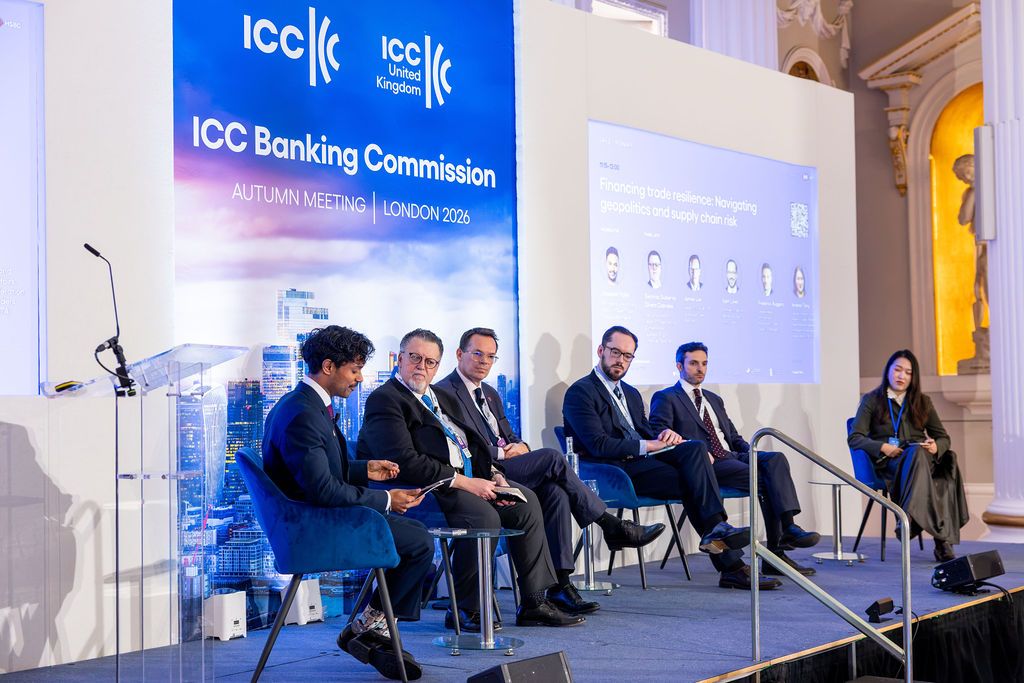
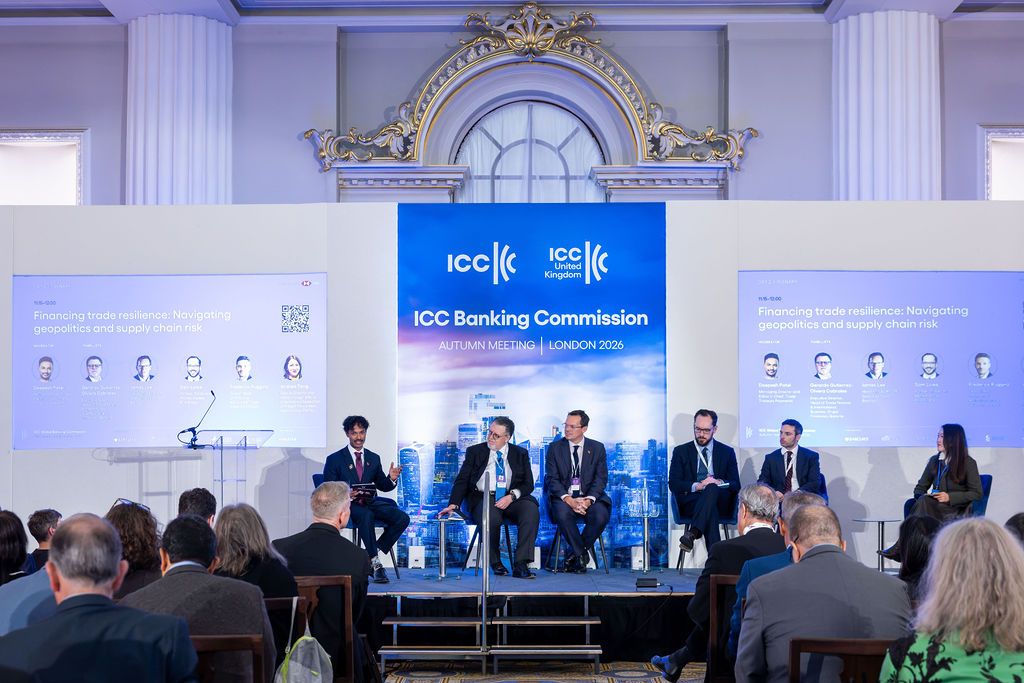
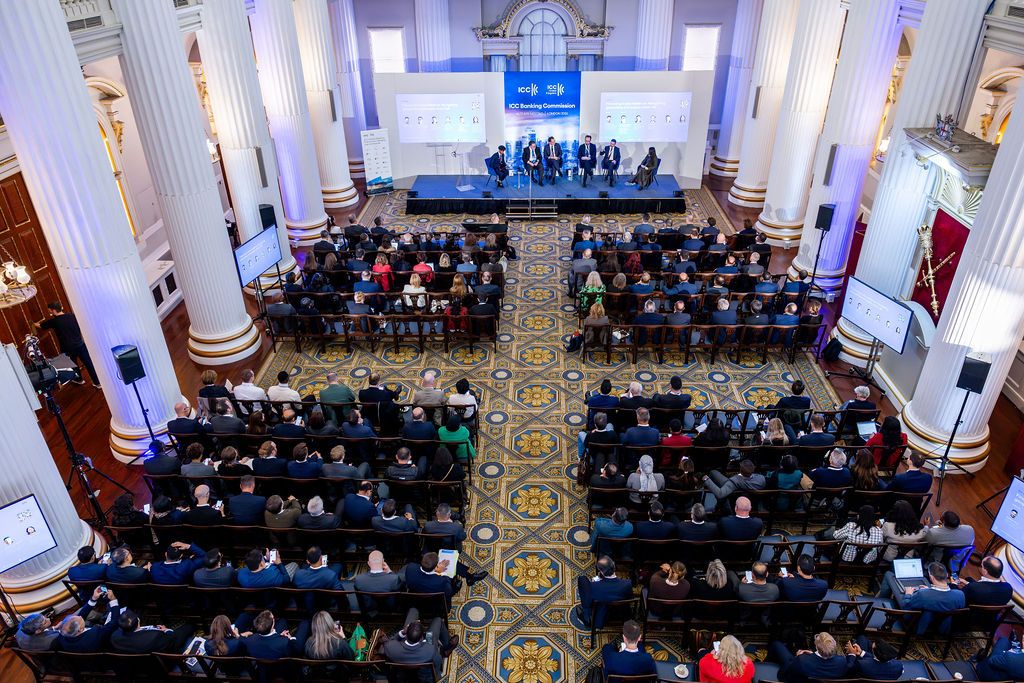
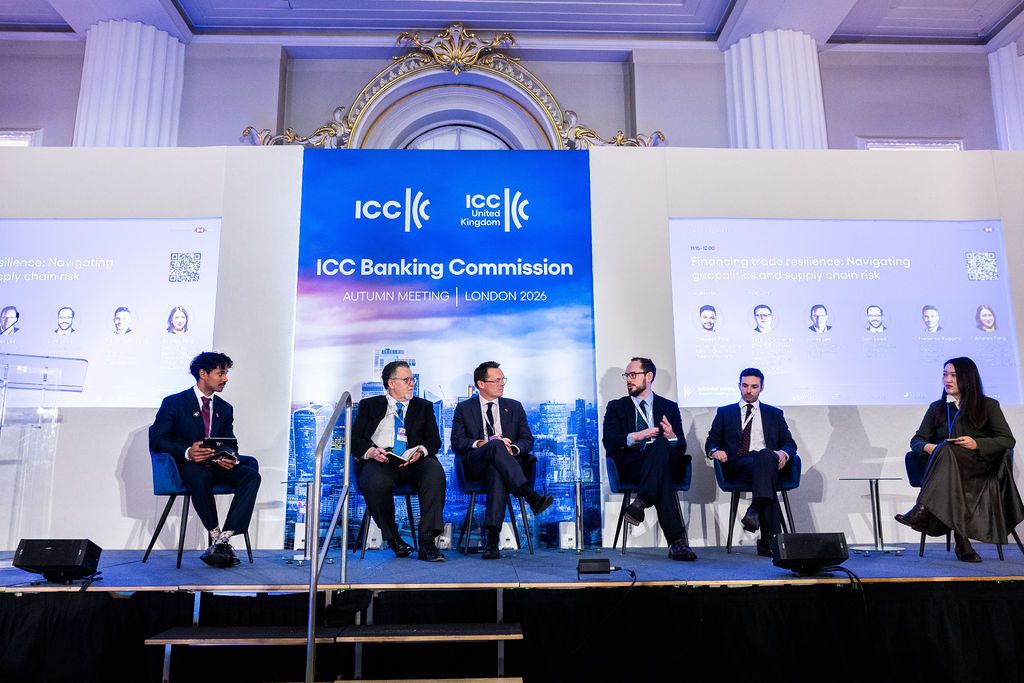
👇 Happening now! Financing trade resilience: Navigating geopolitics and supply chain risk
Industry leaders are taking the stage to discuss how geopolitical tensions, shifting trade routes and supply chain disruptions are reshaping global trade and trade finance.
The session explores how banks, corporates and policymakers are responding to emerging risks, adapting financing strategies and building more resilient supply chains, with a closer look at key geopolitical chokepoints such as the Strait of Hormuz, the Red Sea and around Chinese Taipei.
Moderated by:
Deepesh Patel, Managing Director and Editor-in-Chief, Trade Treasury Payments (TTP) Treasury Payments
Joining the discussion:
Sam Lowe, Flint Global and Chatham House
James Lee ACA, MCT, Barclays
Gerardo Gutierrez-Olvera Cabrales, Grupo Financiero Banorte
Stephane Graber, FIATA International Federation of Freight Forwarders Associations
Frederick Rugginz, J.P. Morgan
The conversation looks at whether resilience can become a competitive advantage in an increasingly uncertain global trade environment.
Update
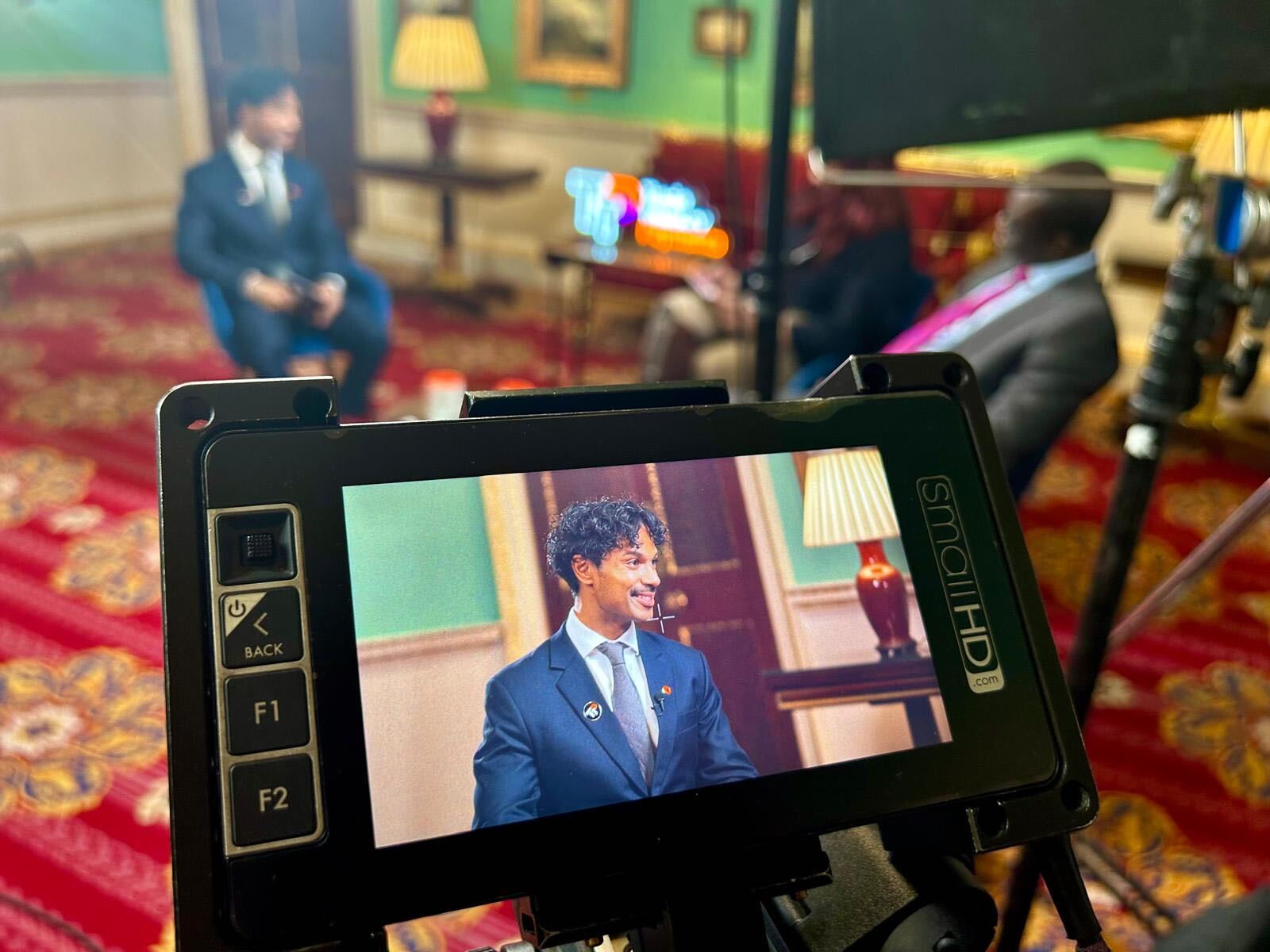
From TTP Studios at Mansion House in London, we have been speaking with leaders across banking, corporate finance, development finance institutions and industry leaders, about the forces reshaping global trade.
Discussions at the ICC Banking Commission Autumn Meeting have explored some of the sector’s biggest priorities: closing the global trade finance gap, building resilient supply chains amid geopolitical uncertainty, strengthening export finance partnerships and creating more agile economies.
With digital transformation, evolving regulations and shifting trade patterns adding new layers of complexity, one question runs through these conversations: what will it take to make global trade more resilient, accessible and better financed?
As a proud media partner of ICC United Kingdom and the ICC Banking Commission, TTP is capturing these perspectives and bringing the discussions to a wider audience.
Stay tuned for more interviews and insights from London.

Update
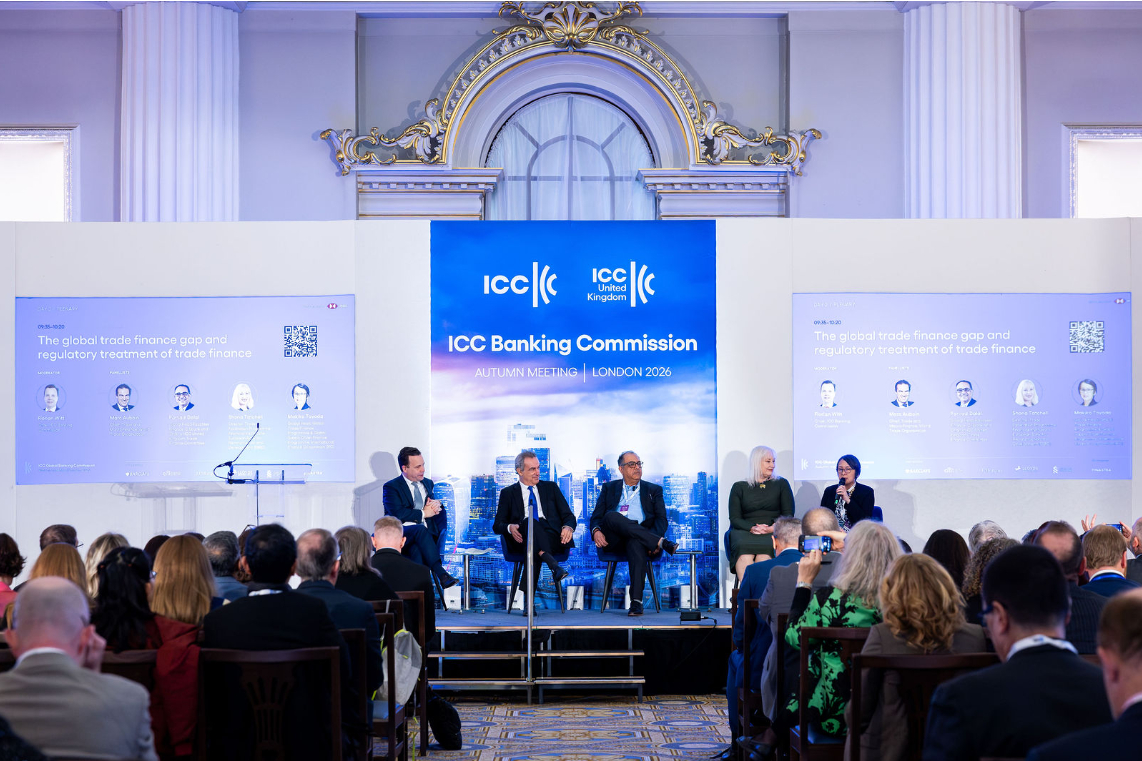
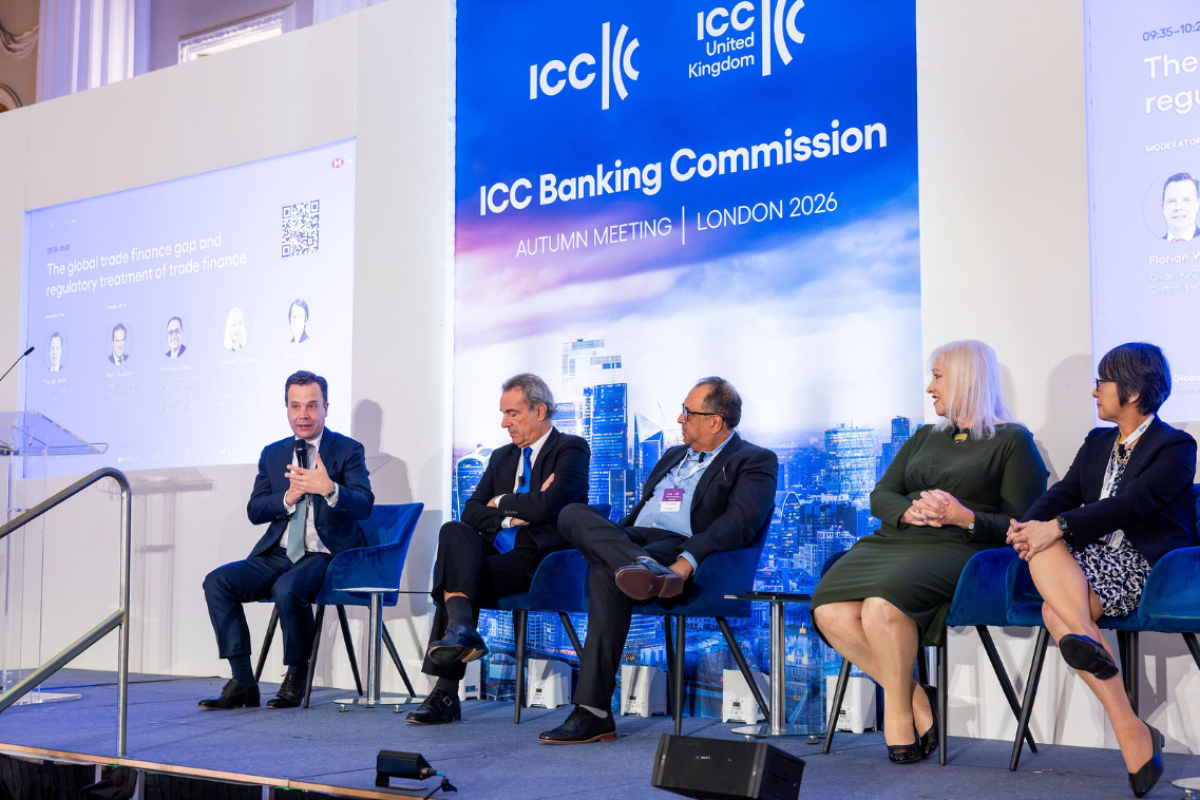
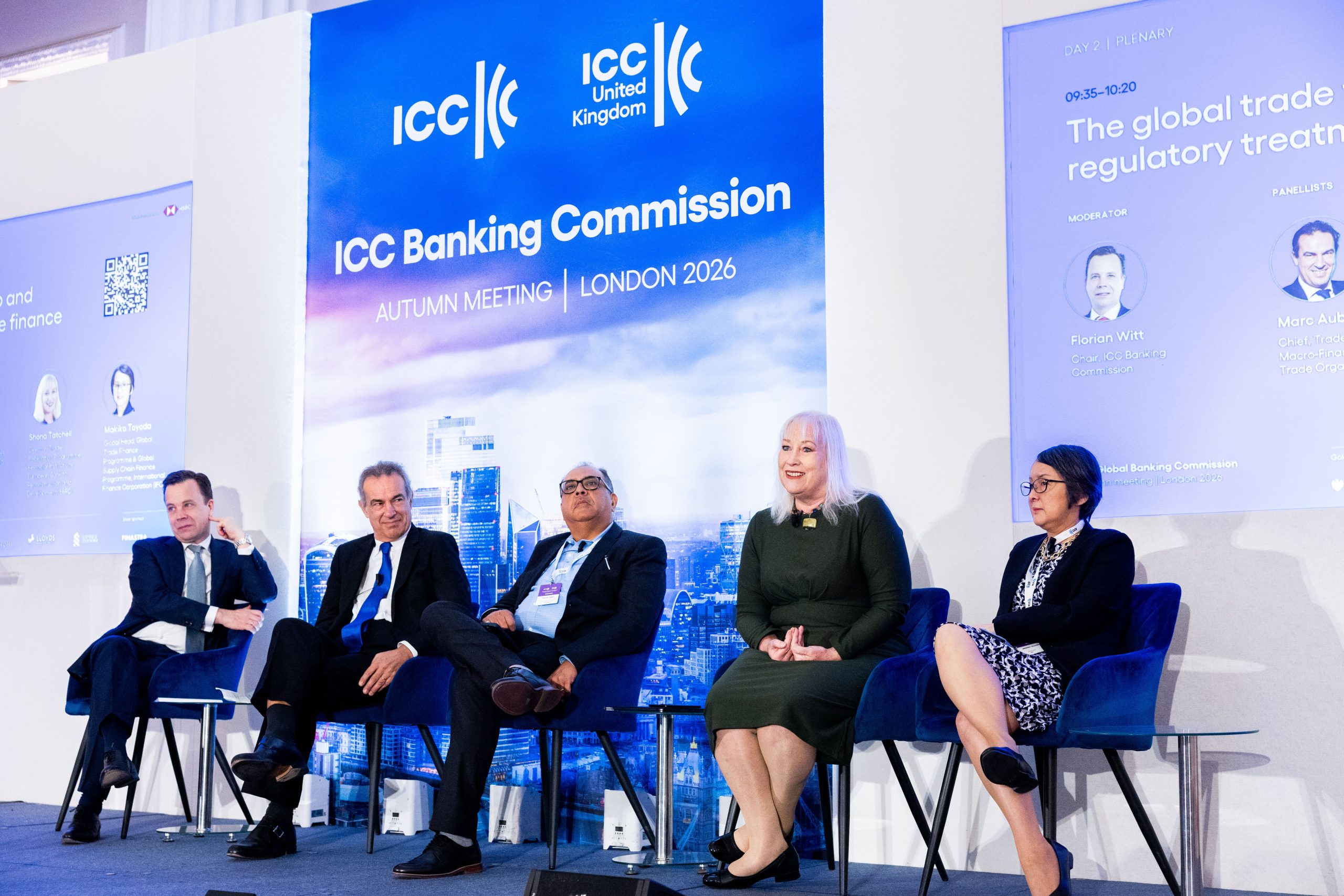
Who carries the risk in open account trade and supply chain finance, and what would close the gap?
Florian Witt of ODDO BHF moderated the trade finance gap panel at the ICC Banking Commission at Mansion House today, with Makiko Toyoda of IFC – International Finance Corporation, Shona Tatchell of EBRD, Parvaiz Dalal of Citi and Marc Auboin of World Trade Organization.
Comments from the floor turned to open account risk for sellers, digital bills of exchange under the Electronic Trade Documents Act, and whether there should be a target to cut the gap.
Supply chain finance is one area where progress can be measured. The WTO said at last month’s Bangkok meetings that direct financing from multilateral development banks has grown from about $35 billion a year before COVID-19 to about $65 billion in 2026. Of that, $10 billion is supply chain finance in developing economies, two to three times the 2024 level.
TTP’s Two Years of Progress in Supply Chain Finance, written by TTP reporter Tim Staheli, tracks what seven development institutions have done since the 2024 joint statement. Thanks to ICC United Kingdom and the International Chamber of Commerce for hosting.
Update
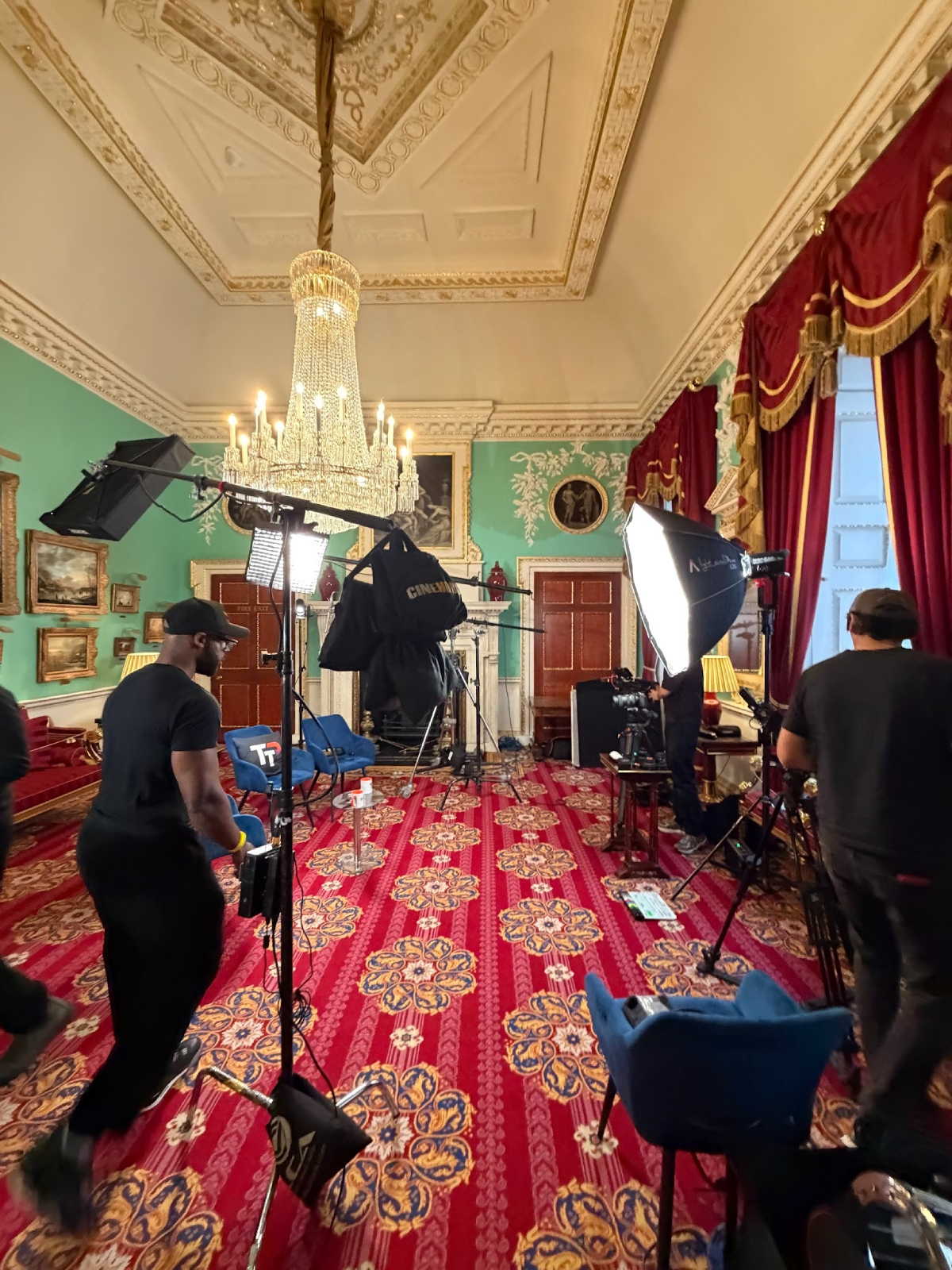
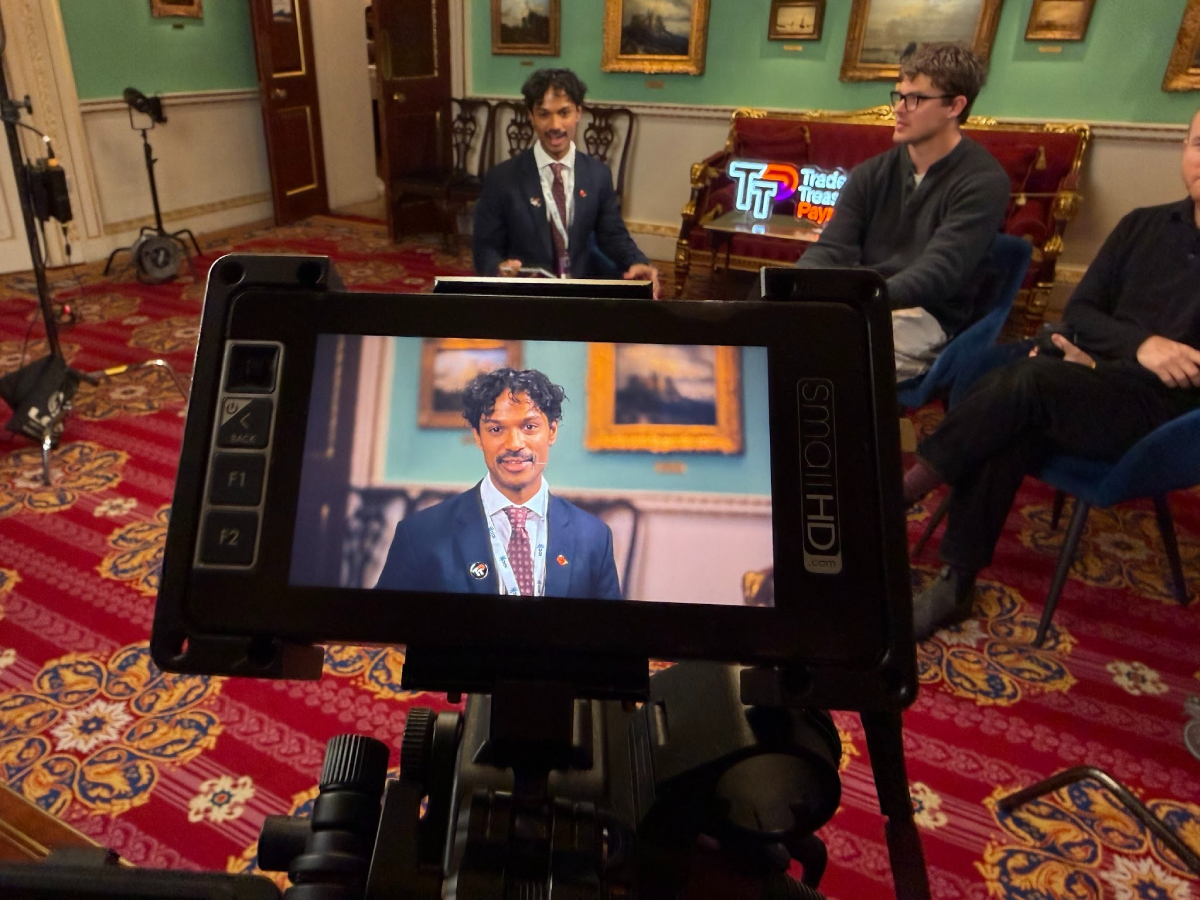
Behind the scenes at ICC Banking Commission! As media partners, we will be capturing the key moments throughout the day, speaking to corporate treasurers, emerging market banks, digital trade advocates and multilateral development bank heads about the current state of multilateralism, changes to the rules and recognition concerning trade and supply chain finance, and global trade finance priorities for the next 12 months.
Lights! Camera! Action!

Update
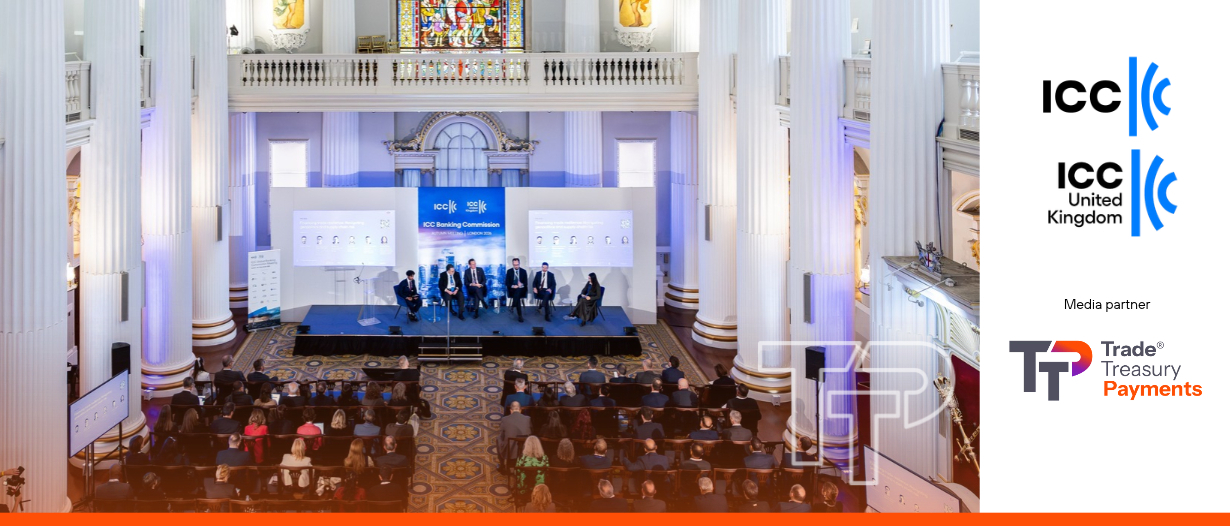
Good morning from London. From the newsroom, the Trade Treasury Payments team are gathered at the International Chamber of Commerce, ICC United Kingdom Banking Commission meeting at Mansion House.
With over 400 delegates from 42 questions, members are focusing on three key pillars throughout the week: standards and rules, data and advocacy.
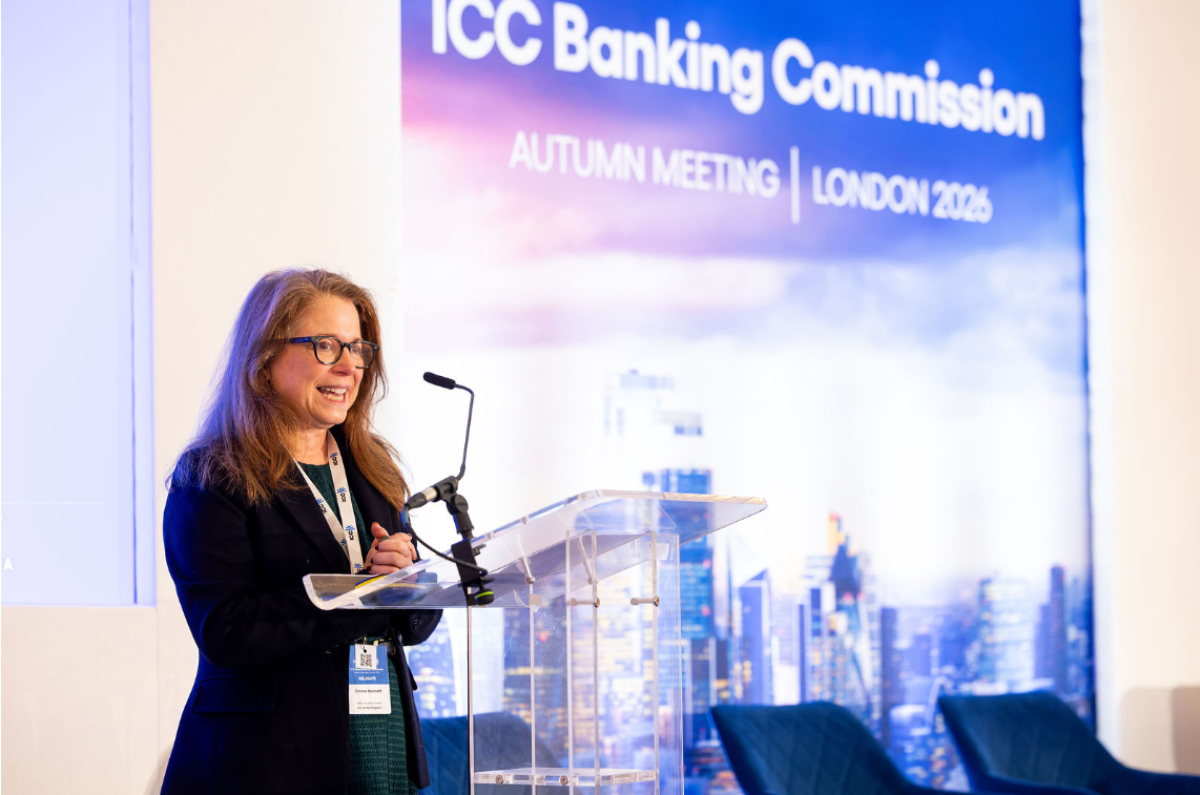
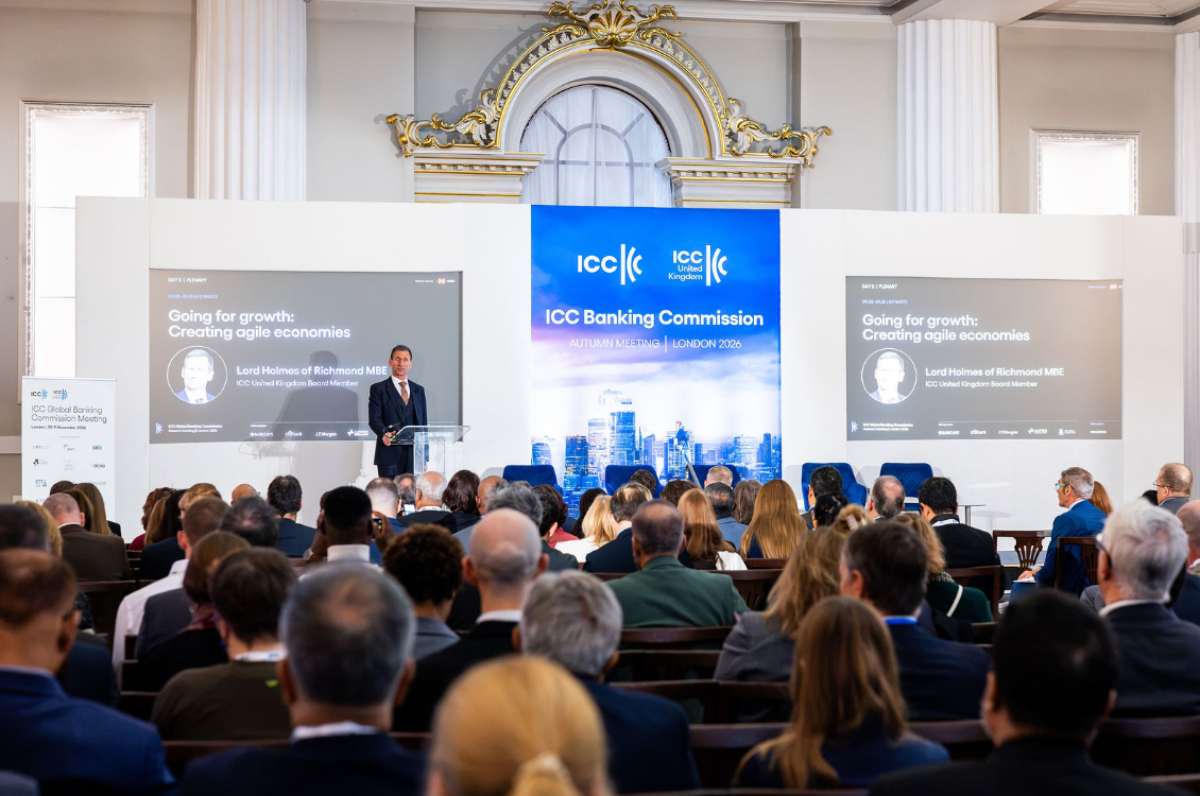
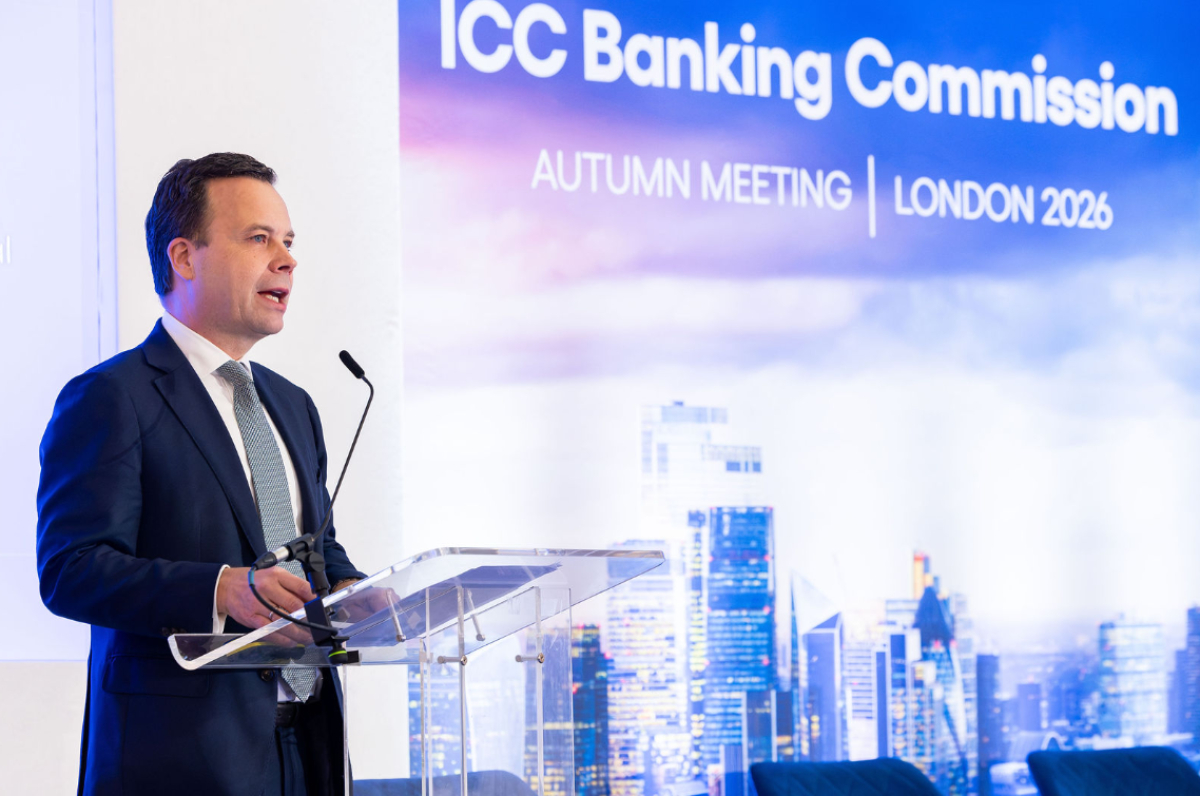
Opening remarks by Emma Bennett, Florian Witt and Lord Christopher Holmes.